The Physics of Marine Propeller Cavitation
Propeller cavitation occurs when localized fluid static pressure drops below seawater vapor pressure, generating micro-scale vapor bubbles along the suction face of the propeller blades. When these bubbles transition into higher-pressure zones behind the blade trailing edge, they collapse violently—generating localized micro-implosion shockwaves exceeding 1,000 bar pressure.
Over time, these repeated hydraulic implosions pit nickel-aluminum-bronze metallurgy, cause high-frequency shaft vibration, increase acoustic underwater noise signatures, and destroy propulsive efficiency.
"By predicting dynamic pressure drops across propeller blade tips milliseconds before vapor collapse occurs, AI-assisted telemetry prevents over 90% of acoustic cavitation wear while preserving maximum propulsive thrust."
High-Frequency Pressure Transducer Telemetry
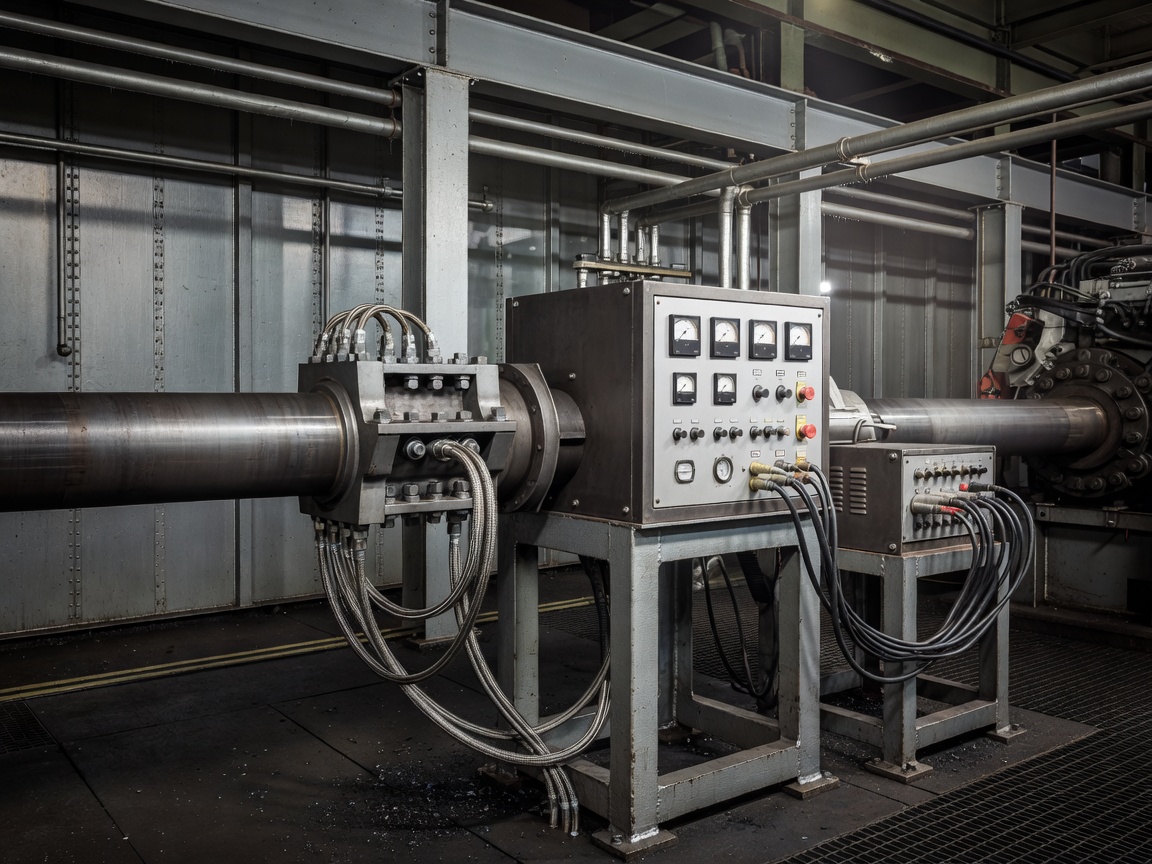
Rankripplepremier's predictive cavitation suite installs piezo-electric pressure sensors directly into the hull plating immediately above prop disks and within P-bracket struts. Operating at 100 kHz acoustic sampling frequencies, these sensors detect the ultra-high frequency acoustic signature of incipient tip-vortex cavitation long before audible rumbling reaches the bridge.
Neural Network Feature Extraction & Engine Response
A edge-computed Convolutional Neural Network (CNN) correlates live acoustic pressure spikes against real-time shaft RPM, vessel pitch attitude, and sea state conditions. When cavitation risks cross critical thresholds, the platform automatically feeds minor pitch or trim tab adjustments to restore local pressure equilibrium without reducing overall knot speed.
NMEA 2000 Integration Technical Specs
Read our full technical specification on CANbus engine interface compatibility and real-time shaft torque monitoring.
Explore Propulsion Analytics Platform →